+34 620 10 75 37info@nanbiosis.com

Posts on Jan 1970

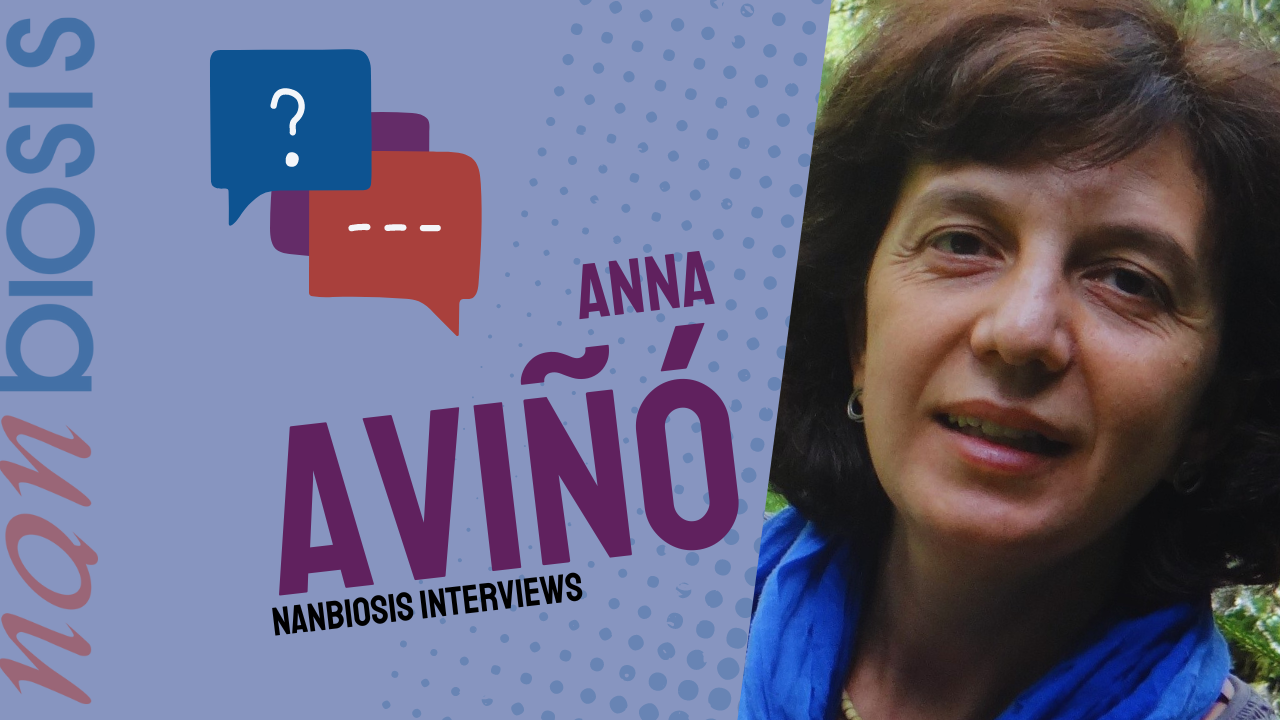
Women in NANBIOSIS part 1: Anna Aviñó, from Curiosity to Innovation

Anna Aviñó speaks about her journey as a researcher and her captivating oligonucleotides.

This is part of a series of interviews to several female researchers within the context of International Day of Women and Girls in Science 2024. For more interviews, visit our news section here.

February 2024, IQAC-CSIC/CIBER-BBN, Barcelona (Spain)

Could you share with us a bit about your research area and the projects you are currently working on?

I am a chemist specializing in nucleic acid chemistry. These compounds are wonderful, I would say unique; not only do they contain genetic information, but they are also involved in countless biological processes. My focus lies in synthetic and structural studies of small nucleic acids, known as oligonucleotides.

And these compounds, what are they used for?

Oligonucleotides can adopt different structures, including canonical duplexes as well as other secondary structures like quadruplexes and triplexes, the latter being particularly important in many diseases. I apply my chemical knowledge to generate and evaluate therapeutic oligonucleotides (such as antisense, siRNA, aptamers). Furthermore, oligonucleotides are so versatile that I also use them as recognition elements in various biosensors to detect pathogens, disease-related genes, etc.
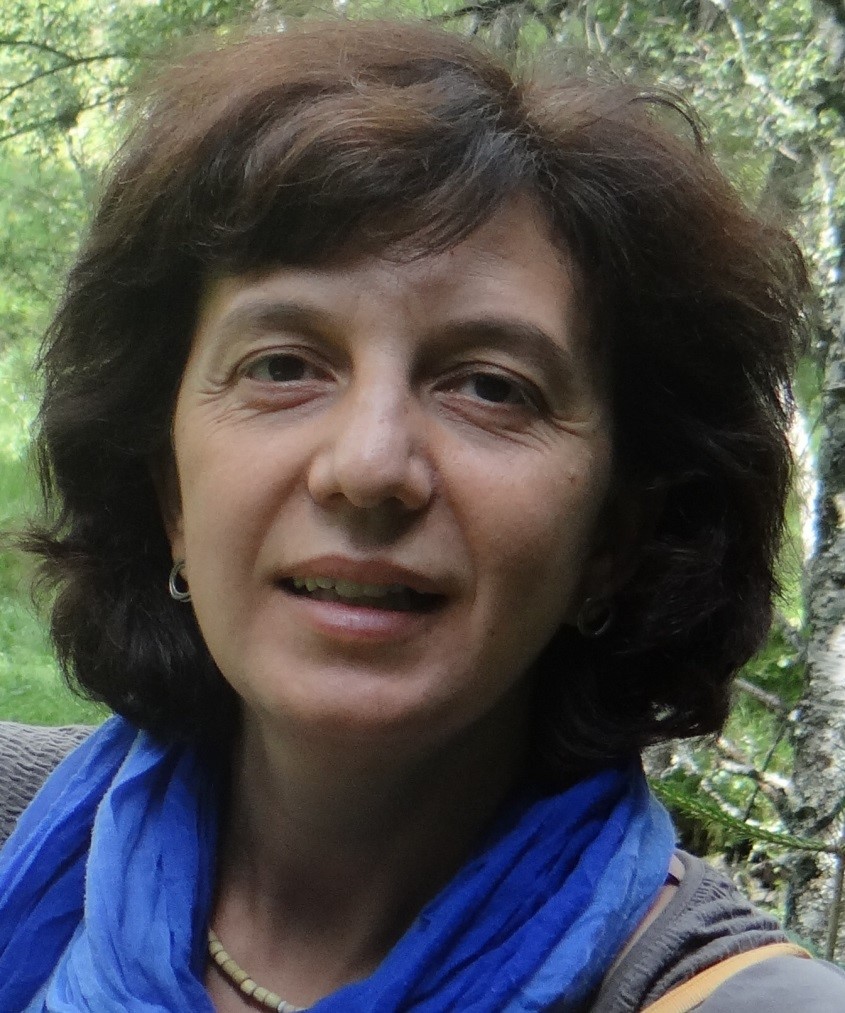
“Oligonucleotides (…) are recently being approved as new advanced gene therapies for many diseases, including rare and cardiovascular diseases.

—Dr. Anna Aviñó, scientific coordinator of Unit 29.

What motivated you to choose a career as a researcher? What have been the biggest challenges you have faced as a woman scientist?

I wanted to understand what things are made of, how medicines are made… I am currently 55 years old with a long scientific career, but it has never been easy to balance top-level research with family life. I have to thank CIBER as it’s the longest contract I’ve had, but I also have to say that I haven’t had opportunities for career advancement within it.

Have you experienced any kind of gender bias or added difficulty in your scientific career? How have you addressed this situation?

I haven’t faced any added difficulty per se, but the reality is that in my research center, the principal investigators are predominantly women with few family responsibilities.

How do you think gender stereotypes in the scientific field can be overcome? And what advice would you give to young women considering a career in science?

I think that stereotypes can be overcome by promoting unbiased education in schools regardless of the field of study. I would definitely encourage young women and advise them not to be afraid to pursue positions of responsibility.

What do you consider to be your greatest achievement or contribution in your field?

The oligonucleotides, which are my area of study as I mentioned, are recently being approved as new advanced gene therapies for many diseases, including rare and cardiovascular diseases. I can say that I can synthesize drugs in my laboratory, and furthermore, I believe I am the person who has conducted the most synthesis of these products in Spain!

What support have you received throughout your career that has been particularly helpful?

As I mentioned, thanks to CIBER, I continue to be a researcher. However, I am currently in a delicate situation because my principal investigator is retiring, and I don’t know how my scientific career will continue.

What changes would you like to see in the scientific world to promote gender equality? How do you think we can encourage more women and girls to participate in science?

The scientific world is not particularly biased in terms of gender equality. However, leadership positions tend to be held by men, even though more women are starting careers in research. Regarding encouraging more women, as I mentioned, education. Education is the key.

For more interviews like this, visit our news section here.

Additional information:

The goal of NANBIOSIS is to provide comprehensive and integrated advanced solutions for companies and research institutions in biomedical applications. All of this is done through a single-entry point, involving the design and production of biomaterials, nanomaterials, and their nanoconjugates. This includes their characterization from physical-chemical, functional, toxicological, and biological perspectives (preclinical validation).

In order to access our biomedical Solutions, apply here.

NANBIOSIS has worked with pharmaceutical companies of all sizes in the areas of drug delivery, biomaterials and regenerative medicine. Here are a few of them:
Read More

Polymeric Micelles Delivering Hope: A Revolutionary Strategy to Fight Cancer

NANBIOSIS researchers reach intracellular targets with encapsulated antibodies.

February 2024, IQAC-CSIC/CIBER-BBN, Barcelona (Spain) and Santiago (Chile)

Dr. Abasolo and her team have developed an innovative strategy to combat intracellular oncogenes, notably KRAS, implicated in various deadly cancers. By encapsulating therapeutic antibodies within polymeric micelles, they have successfully facilitated the entry of these antibodies into cancer cells, targeting internal markers. This breakthrough, achieved through international collaboration, represents a significant advancement in cancer treatment and holds promise for addressing other diseases with intracellular targets. These findings provide hope for improved therapies and outcomes in cancer and beyond.

Every individual is said to have an inner enemy, lurking to sabotage under favorable circumstances. In the case of our cells, this rings particularly true. Some genes are as necessary for their proper function as they are dangerous when they malfunction. Those that, under certain circumstances, promote tumor development are known as oncogenes. But we now have new tools to combat them.

In the ongoing battle against cancer, researchers have reached a significant milestone in combatting intracellular oncogenes. Thanks to a groundbreaking strategy developed by Dr. Abasolo and her team from Unit 20, they managed to reach particularly difficuly intracellular targets. Their innovative approach involves utilizing therapeutic antibodies encapsulated in polymeric micelles, facilitating their entry into cancer cells and targeting internal markers. The results, achieved through international collaboration, mark a significant advancement in cancer treatment and hold promising possibilities for addressing other diseases with intracellular targets.

KRAS is the name given to one of these oncogenes, and it’s a particularly dangerous foe. The small protein produced by the KRAS gene is a molecular switch that controls numerous cellular functions, including survival, proliferation, differentiation, and migration. When KRAS mutates, this switch stops working, preventing the cell from self-regulating, often leading to some of the most malignant and lethal types of cancer, such as pancreatic, colon, or lung cancer. Moreover, this mutated protein is difficult to target due to its unique molecular structure and the fact that it resides within the cell. However, thanks to our new anti-tumor technology, we’re able to reach it.

One method of blocking mutated KRAS is through the use of therapeutic antibodies. These antibodies, by specifically binding to the protein, inhibit its function, halting the malignancy of cancer cells. However, one of the challenges in using these antibodies is that they cannot enter cells on their own. None of the attempts to internalize them have been successful, until now.

In a recent study published last year, the team led by Dr. Abasolo, in which our Unit 20 is integrated, has successfully attacked mutated KRAS using anti-KRAS antibodies. To achieve this, they encapsulated the antibodies in nanometric drug delivery systems (NanoDDS). Specifically, they used micelles composed of a polymer capable of surrounding the antibodies, facilitating their entry into cells. Furthermore, these nanostructures enable passive and selective entry into tumors and, to top it off, the polymer used prevents the emergence of dreaded cancer multi-drug resistances.

These unprecedented results are the product of international collaboration, where in silico simulation, in vitro assays, and animal studies have gone hand in hand. These results have demonstrated the effectiveness of a new tool capable not only of serving in the fight against cancer, but also of acting on therapeutic intracellular targets present in many other diseases. A way to defeat that inner enemy.

References

[1] Diana Rafael, Sara Montero, Pilar Carcavilla, Fernanda Andrade, Júlia German-Cortés, Zamira V. Diaz-Riascos, Joaquin Seras-Franzoso, Monserrat Llaguno, Begoña Fernández, Alfredo Pereira, Esteban F. Duran-Lara, Simó Schwartz Jr., and Ibane Abasolo. Intracellular Delivery of Anti-Kirsten Rat Sarcoma Antibodies Mediated by Polymeric Micelles Exerts Strong In Vitro and In Vivo Anti-Tumorigenic Activity in Kirsten Rat Sarcoma-Mutated Cancers. ACS Applied Materials & Interfaces 2023 15 (8), 10398-10413 DOI: 10.1021/acsami.2c19897

Additional information

In this project, Unit 20 of the NANBIOSIS ICTS has collaborated, providing both functional validation and all preclinical trials with murine models. All of this has been conducted following the strictest ethical guidelines.

The goal of NANBIOSIS is to provide comprehensive and integrated advanced solutions for companies and research institutions in biomedical applications. All of this is done through a single-entry point, involving the design and production of biomaterials, nanomaterials, and their nanoconjugates. This includes their characterization from physical-chemical, functional, toxicological, and biological perspectives (preclinical validation).

In order to access our biomedical Solutions, apply here.

NANBIOSIS has worked with pharmaceutical companies of all sizes in the areas of drug delivery, biomaterials and regenerative medicine. Here are a few of them:
Read More

Bringing Hope to Cancer Treatment: New Pioneering Advances in Nanotechnology

NANBIOSIS Researchers Lead the Way in Innovative Nanomedicine Approaches

Cancer remains a formidable challenge globally, with 19.1 million cases diagnosed in 2020, resulting in nearly 10 million deaths. However, amidst these alarming statistics, a beacon of hope emerges from the field of nanomedicine.

Spearheaded by Professor Jesus Santamaria and his team at the NFP group, part of the NANBIOSIS ICTS Unit 9, groundbreaking advancements in nanotechnology are revolutionizing cancer treatment. Funded by the European Research Council, their efforts mark a significant stride towards more effective and targeted therapies.

“The potential adverse effects (of antineoplastic agents) on healthy cells is the main limitation, in addition to the development of drug resistance by cancer cells.”

—Dr. Jose L. Hueso, Scientific Coordinator of Unit 9

Traditional cancer treatments like surgery, chemotherapy (CT), and radiotherapy (RT) have long been the mainstays of clinical intervention. While effective, their indiscriminate nature often leads to debilitating side effects and the development of dreaded drug resistances in cancer cells. Chemotherapy, in particular, poses significant challenges due to its adverse effects on healthy cells.

This is where nanoscience and nanotechnology come to play. These cutting-edge disciplines offer promising avenues for the development of selective and precise cancer therapies. The work of Prof. Santamaria’s team focuses on leveraging nanoparticles to deliver tailored treatments directly to cancerous tissues while minimizing collateral damage to healthy cells.

Their innovative approach involves the synthesis of inorganic and carbon-based nanoparticles with enzyme-mimicking capabilities. These nanoparticles exhibit a multifaceted response within the tumor microenvironment, from consuming glucose to generating reactive oxidative species. Moreover, they disrupt the antioxidant defense mechanisms of cancer cells, rendering them more susceptible to treatment.

Collaborative efforts with esteemed researchers like Pilar Martin Duque, Luisa de Cola, and Asier Unciti-Broceta further enhance the potential of these nanotherapeutic strategies. Together, they strive to refine nanoparticle delivery systems, protect the catalytic activity in the tumor microenvironment, and engineer anticancer prodrugs using bioorthogonal chemistry.

The implications of these advancements are profound. By harnessing the power of nanotechnology, researchers have the tools to revolutionize cancer treatments. With greater specificity and reduced toxicity, nanotherapies offer renewed hope for patients battling this relentless disease.

As the field of nanotechnology continues to evolve, the potential for personalized, precision medicine approaches tailored to individual patients becomes increasingly tangible. With the expertise of NANBIOSIS ICST researchers at the forefront of this revolution, the future of cancer treatment shines brighter than ever before.

NFP group: Members currently working on the development of novel strategies of synthesis, encapsulation and delivery of active catalysts against cancer include: Dr. Víctor Sebastián, Dr. Ana Martín, Dr. María Sancho, Dr. Jose L. Hueso, Dr. Javier Bonet and PhD students: Andrea Mosseri, Ángeles Valls, Miguel Encinas, Jose Ignacio Garcia Peiro, Leticia Sanchez, Estefanía Chico.

Additional information

The goal of NANBIOSIS is to provide comprehensive and integrated advanced solutions for companies and research institutions in biomedical applications. All of this is done through a single-entry point, involving the design and production of biomaterials, nanomaterials, and their nanoconjugates, along with their characterization from physical-chemical, functional, toxicological, and biological perspectives (preclinical validation).

In order to access our biomedical Solutions, apply here.

NANBIOSIS has worked with pharmaceutical companies of all sizes in the areas of drug delivery, biomaterials and regenerative medicine. Here are a few of them:
Read More

‘Magic Bullets’ Against Cancer: Unveiling the Potential of DNA Nanoparticles

DNA nanoparticles to selectively target tumor tissues through precise control of the synergies between transported drugs.

February 2024, IQAC-CSIC/CIBER-BBN, Barcelona. The team led by Drs. Carme Fàbrega and Ramón Eritja, in close collaboration with 3 units of the NANBIOSIS ICTS, has developed a new strategy to improve the efficacy and reduce the toxicity of anticancer drugs. They have chemically linked several cytotoxic drugs, currently used in the treatment of various types of tumors, to DNA nanostructures. These structures selectively target cancerous tissues through folate receptors. This tactic allows precise control of drug concentration and exploits their combined effect. The results of this study represent a significant step forward towards the development of more effective and safer cancer treatments. This year 2024, they published their study in the Nanomedicine journal by Elsevier.

“The ‘Magic Bullet’ of Dr. Ehrlich” is not the title of an old pulp magazine. Rather, it is the concept that the German physician and Nobel Prize winner coined to refer to an ideal therapeutic agent capable of acting specifically against a particular disease without affecting healthy cells.

In the case of cancer therapies, we are far from reaching that magic bullet. However, science is bringing us closer to it every day.

Many current anticancer drugs are designed to intercalate into the DNA of cells and alter their function, inducing cell death. One of the most significant problems with these therapies is their adverse effects, as these drugs can also affect non-tumor cells. One way to compensate for this is by combining multiple drugs, creating synergies between them. However, this often greatly hinders both drugs from reaching the target tissue at the appropriate concentrations to exert their synergy.

A strategy to approach the concept coined by the Nobel Prize involves selectively directing drugs towards cancerous tissues and releasing them in a controlled and localized manner. This increases their concentration in the tumor area, reducing the effect on the rest of the organs and tissues.

Thanks to the ability of many drugs to intercalate into DNA, one of the most promising vehicles are DNA nanostructures. These artificially constructed nanocarriers can retain the drug and, due to their enormous versatility, can be designed to selectively target the tumor. Once there, they release the drug in a controlled manner into the cancer cells, ensuring that healthy tissues are not exposed to a toxic concentration of the drug.

However, these DNA nanocarriers face several challenges: low internalization in diseased cells, low selectivity of the target tissues, or limited control over the amount of drug loaded inside and how it binds. Additionally, they only allow the transport of DNA intercalating drugs, limiting the range of applicable therapies.

In a recent study published in the Nanomedicine journal by Elsevier, the team led by Dr. Carme Fàbrega and Dr. Ramón Eritja, in close collaboration with 3 units of the NANBIOSIS ICTS, present a new approach [1]. Through a strategy to control the binding of the drug and its concentration within their DNA nanostructures, they have succeeded in increasing efficacy and reducing toxicity.

Instead of intercalating the drugs as usual, the researchers chemically conjugated each drug to a piece of the puzzle that would later form the nanostructure. They managed this way to precisely attach three anticancer drugs to their vehicles, each of them acting on a different anticancer mechanism and promoting a synergistic effect between them. Additionally, they achieved selective targeting by binding their nanostructures to folate receptors, expressed massively in a wide variety of tumor types.

This pioneering methodology is capable of attaching multiple drugs to DNA nanostructures, each at predetermined concentrations. This represents a leap forward in advancing towards the generation of that effective and harmless magic bullet that Dr. Ehrlich envisioned.

References

[1] Natalia Navarro, Anna Aviñó, Òscar Domènech, Jordi H. Borrell, Ramon Eritja, Carme Fàbrega, Defined covalent attachment of three cancer drugs to DNA origami increases cytotoxicity at nanomolar concentration, Nanomedicine: Nanotechnology, Biology and Medicine, Volume 55, 2024, 102722, ISSN 1549-9634, DOI: 10.1016/j.nano.2023.102722.

Additional information

In this project, three NANBIOSIS units have collaborated: Unit 12, with a characterization and scientific advisory role; Unit 18, providing one of the nanotoxic drugs; and Unit 29, contributing to the synthesis of oligonucleotides.

The goal of NANBIOSIS is to provide comprehensive and integrated advanced solutions for companies and research institutions in biomedical applications. All of this is done through a single-entry point, involving the design and production of biomaterials, nanomaterials, and their nanoconjugates, along with their characterization from physical-chemical, functional, toxicological, and biological perspectives (preclinical validation).

In order to access our biomedical Solutions, apply here.

NANBIOSIS has worked with pharmaceutical companies of all sizes in the areas of drug delivery, biomaterials and regenerative medicine. Here are a few of them:
Read More