+34 620 10 75 37info@nanbiosis.com

News U12

News U12

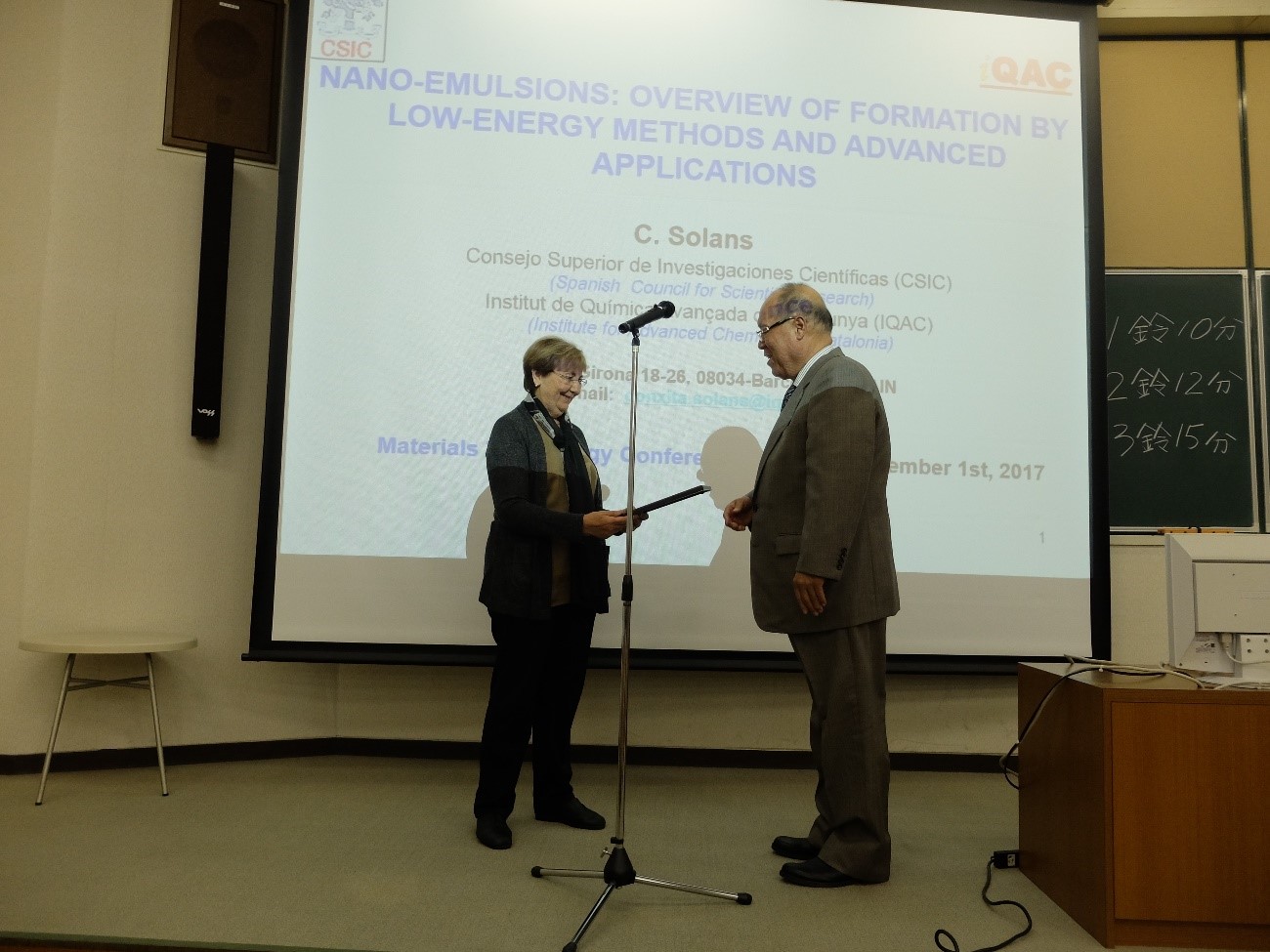
Conxita Solans receives the lectureship award of the Japan Research Institute of Materials Technology

Prof. Conxita Solans (Nanostructured liquid characterization unit 12 of NANBIOSIS) received the lectureship award of the Japan Research Institute of Materials Technology from Prof. Masahiko Abe, Director of the Institute. Prof. Solans delivered her lecture during the meeting held in Noda (Japan) on December 1st, 2017.
Read More

Posters presentation by NANBIOSIS Units in CIBER-BBN ANNUAL CONFERENCE 2017

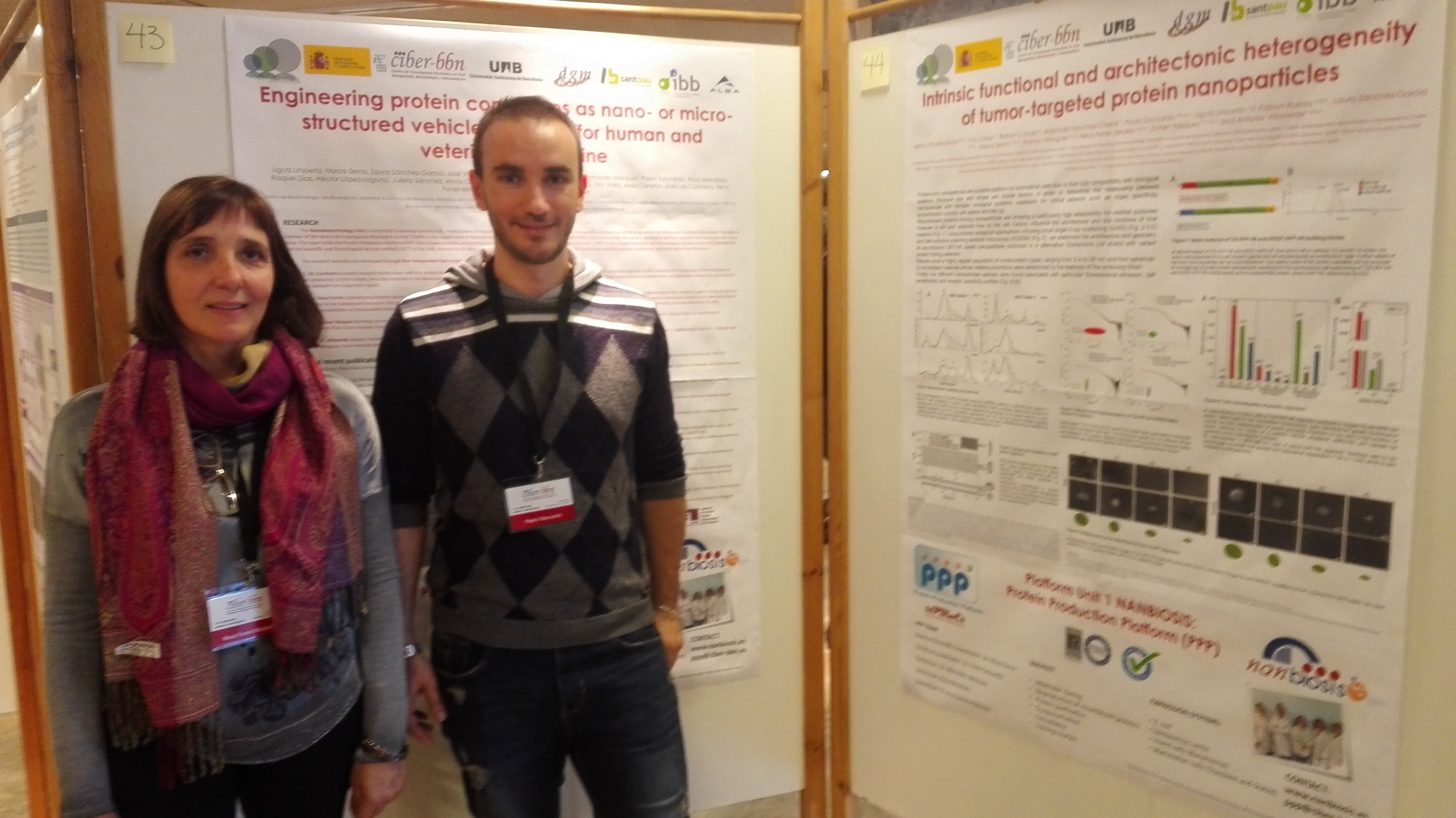
Last 13 and 14 of November, CIBER-BBN  has celebrated its 11th Annual Conference in Hotel Santemar in Santander. In this conference there was a poster session with the participation of the following Units of NANBIOSIS. Special mention deserves Unit 1 with Neus Ferrer as Director and  Paolo Saccardo as Coordinator (in the picture):

Posters:

U1. Protein Production Platform (PPP):

Engineering protein complexes as nano- or micro-structured vehicles or drugs for human and veterinary medicine. Ugutz Unzueta, Naroa Serna, Laura Sánchez-García, José Vicente Carratalá, Olivia Cano-Garrido, Mercedes Márquez, Paolo Saccardo, Rosa Mendoza, Raquel Díaz, Héctor, López-Laguna, Julieta Sánchez, Anna Obando, Amanda Muñoz, Andrés Cisneros, Eric Voltà, Aida Carreño, José Luis Corchero, Neus Ferrer-Miralles, Esther Vázquez, Antonio Villaverde.

Units  U1. Protein Production Platform (PPP) and U18. Nanotoxicology Unit:

Intrinsic functional and architectonic heterogeneity of tumor-targeted protein nanoparticles. Mireia Pesarrodona, Eva Crosa, Rafael Cubarsi, Alejandro Sanchez-Chardi, Paolo Saccardo, Ugutz Unzueta, Fabian Rueda, Laura Sanchez-Garcia, Naroa Serna, Ramón Mangues, Neus Ferrer Miralles, Esther Vázquez, Antonio Villaverde.

Units U3. Synthesis of Peptides UnitU6. Biomaterial Processing and Nanostructuring Unit, and U20. In Vivo Experimental Platform:

Synthesis of different length monodisperse COL-PEG-PEPTIDE to increase biodisponibility of multifunctional nanovesicles for Fabry’s desease. Edgar Cristóbal-Lecina; Daniel Pulido; Solène Passemard; Elizabet González-Mira; Jaume Veciana; Nora Ventosa; Simó Schwartz; Ibane Abasolo; Fernando Albericio and Miriam Royo.

Units U13. Tissue & Scaffold Characterization Unit and U17. Confocal Microscopy Service::

Preclinical behavior of medium-chain cyanoacrylate glue with two different surgical application forms for mesh fixation in abdominal wall repair. Gemma Pascual, Bárbara Pérez-Köhler, Marta Rodríguez, Claudia Mesa-Ciller, Ángel Ortillés, Estefanía Peña, Begoña Calvo, Juan M. Bellón.

Units U27. High Performance Computing and U8. Micro – Nano Technology Unit:

Inspiration and Expiration Dynamics in Acute Emotional Stress Assessment. Javier Milagro, Eduardo Gil, Jorge M. Garzón-Rey, Jordi Aguiló, Raquel Bailón.

U5. Rapid Prototyping Unit:

Poly-DL-lactic acid films functionalized with collagen IV as carrier substrata for corneal epithelial stem cells. Ana de la Mata, Miguel Ángel Mateos-Timoneda, Teresa Nieto-Miguel, Sara Galindo, Marina López-Paniagua, Xavier Puñet, Elisabeth Engel, Margarita Calonge.

U6. Biomaterial Processing and Nanostructuring Unit:

Strategy for engineering myoglobin nano-traps for biomedical sensing technology. E. Laukhina, O. V. Sinitsyna, N. K. Davydova, V. N. Sergeev, A. Gomez, I. Ratera, C. Blázquez Bondia, J. Paradowska, X. Rodriguez, J. Guasch, Jaume Veciana.

Structure and nanomechanics of quatsome membranes. B. Gumí-Audenis, L. PasquinaLemonche, J.A. Durán, N. Grimaldi, F. Sanz, J. Veciana, I. Ratera, N. Ventosa and M.I. Giannotti

U7. Nanotechnology Unit:

Bioreceptors nanostructuration study for early detection of Alzheimer. José Marrugo, Dr. Samuel Dulay, Dr. Mònica Mir, Prof. Josep Samitier.

RGD dendrimer-based nanopatterns promote chondrogenesis and intercellular communication for cartilage regeneration. Ignasi Casanellas, Anna Lagunas, Iro Tsintzou, Yolanda Vida, Daniel Collado, Ezequiel Pérez-Inestrosa, Cristina Rodríguez, Joana Magalhães, José A. Andrades, José Becerra, Josep Samitier.

Long-range electron transfer between redox partner proteins. Anna Lagunas, Alejandra GuerraCastellano, Alba Nin-Hill, Irene Díaz-Moreno, Miguel A. De la Rosa, Josep Samitier, Carme Rovira, Pau Gorostiza.

U8. Micro – Nano Technology Unit:

Miniaturized multi-sensing platform for pH and Dissolved Oxygen monitoring in Organ-On-aChip systems. M. Zea, A. Moya, I. Gimenez, R. Villa, G. Gabriel.

Electrochemical characterization of SWCNTs based microelectrodes fabricated by inkjet printing. M. Mass, A. Moya, G. Longinotti, M. Zea, M. Muñoz, E. Ramon, L. Fraigi, R. Villa, G. Ybarra, G. Gabriel.

U9. Synthesis of Nanoparticles Unit:

In vivo imaging and local persistance of polymeric micro- and nanomaterials labelled with the near infrared dye IR820. Isabel Ortiz de Solórzano, Gracia Mendoza, Inmaculada Pintre, Sara García-Salinas, Víctor Sebastián, Vanesa Andreu, Marina Gimeno, Manuel Arruebo.

U10. Drug Formulation:

Cationic nioplexes-in-polysaccharide-based hydrogels as versatile biodegradable hybrid materials to deliver nucleic acids. Santiago Grijalvo, Adele Alagia, Gustavo Puras, Jon Zárate, Judith Mayr, José Luis Pedraz, Ramon Eritja

U12. Nanostructured liquid characterization unit:

Perfluorocarbon-loaded Nanocapsules from Nano-emulsion Templates as Microbubble Precursors for Biomedical Applications. G. Calderó, A. González, M. Monge, C. Rodríguez-Abreu, M.J.García-Celma, C. Solans.

Biodistribution study of polymeric drug-loaded nanoparticles in murine model. Marta Monge, Aurora Dols, Stephane Fourcade, Aurora Pujol, Carlos Rodríguez-Abreu, Conxita Solans.

U16. Surface Characterization and Calorimetry Unit:

Behavior and a comparative study between tantalum and titanium alloy implant surfaces against bacterial adhesion. M.A. Pacha-Olivenza, M.L. González-Martín.

Bacterial adhesion on calcium ion-modified titanium implant surfaces. M.A. Pacha Olivenza, R. Tejero, M. Delgado-Rastrollo, M.L. González-Martín.

Bioactive coatings to promote tissue regeneration and ingrowth into 3D custom-made porous titanium endoimplants (COATREG-3D). Santos-Ruiz L; Granados JF; Ruiz F; Yáñez JI; González A; Cabeza N; Vida Y; Pérez-Inestrosa E; Izquierdo-Barba I; Vallet-Regí M; Rubio J; Orgaz F; Rubio N; González ML; Peris JL; Monopoli D; Becerra J.

U17. Confocal Microscopy Service:

Subcutaneous implantation of a biodegradable apatite/agarose scaffold: biocompatibility and osteogenesis characterization in a rat model. Natalio García-Honduvilla, Gemma Pascual, Miguel A. Ortega, Alejandro Coca, Cynthia Trejo, Jesús Román, Juan Peña, María V. Cabañas, Julia Buján, and María Vallet-Regí.

U25. NMR: Biomedical Applications I:

Dual T1/T2 NCP-based novel contrast agents for brain tumor MRI: a preclinical study. Suarez, S; Arias-Ramos, N; Candiota, AP; Lorenzo, J; Ruiz-Molina, D; Arús, C; Novio, F.

Metronomic treatment in immunocompetent preclinical GL261 glioblastoma: effects of cyclophosphamide and temozolomide. Ferrer-Font, L; Arias-Ramos, N; Lope-Piedrafita, S; Julià- Sapé, M; Pumarola, M; Arús, C; Candiota, AP.

U26. NMR: Biomedical Applications II:

Gated nanodevices for innovative medical therapies. Maria Alfonso, Irene Galiana, Beatriz Lozano, Borja Diaz de Greñu, Cristina de la Torre, Andrea Bernardos, Sameh El Sayed, Daniel MuñozEspin, Miguel Rovira, José Ramón Murguía, Manuel Serrano, Ramón Martínez-Máñez.

NANOPROBE: Gated sensing materials and devices for the detection of infectious diseases and urological cancer. Ángela Ribes, Luís Pla, Sara Santiago-Felipe, Alba Loras-Monfort, M.Carmen Martínez-Bisbal, Elena Aznar, Guillermo Quintás-Soriano, José Luis Ruiz-Cerdá, María Angeles.


Read More

DHA and l-carnitine loaded chitosan hydrogels as delivery systems for topical applications

The journal JCR Colloids and Surfaces A: Physicochemical and Engineering Aspects, has recently publish and interested article which show the results of the research lead by Jordi Esquena, Coordinator of Unit 12 of NANBIOSIS,.

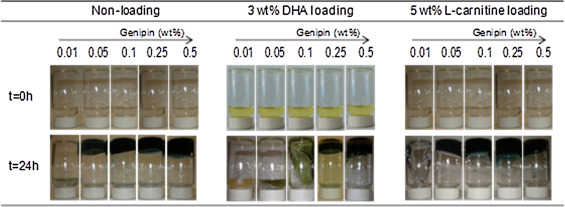
The formation of biocompatible hydrogels of chitosan crosslinked with genipine deposited on textile substrates has been studied and the incorporation and release of active ingredients for cosmetic applications has been investigated. The active principles studied have been dihydroxyacetone (DHA), which produces a sunless tanning effect; And carnitine, used as anti-cellulite agent. The results have shown that crosslinking with chitosan allows controlling the release rate of the active ingredients, slowing the release by increasing the degree of cross-linking. On the other hand, it has been observed that the active principle influences the gelation and the rheological properties of the hydrogels, mainly due to the interactions of the molecules with the amino groups of the chitosan. These results have illustrated the possible use of chitosan hydrogels in cosmetic and cosmetotextile applications. For this study, techniques available on the NANBIOSIS-ICTS have been used.

For further information

Read More

Elastic and adhesion properties of adsorbed hydrophobically modified inulin films on latex particles using Atomic Force Microscopy (AFM)

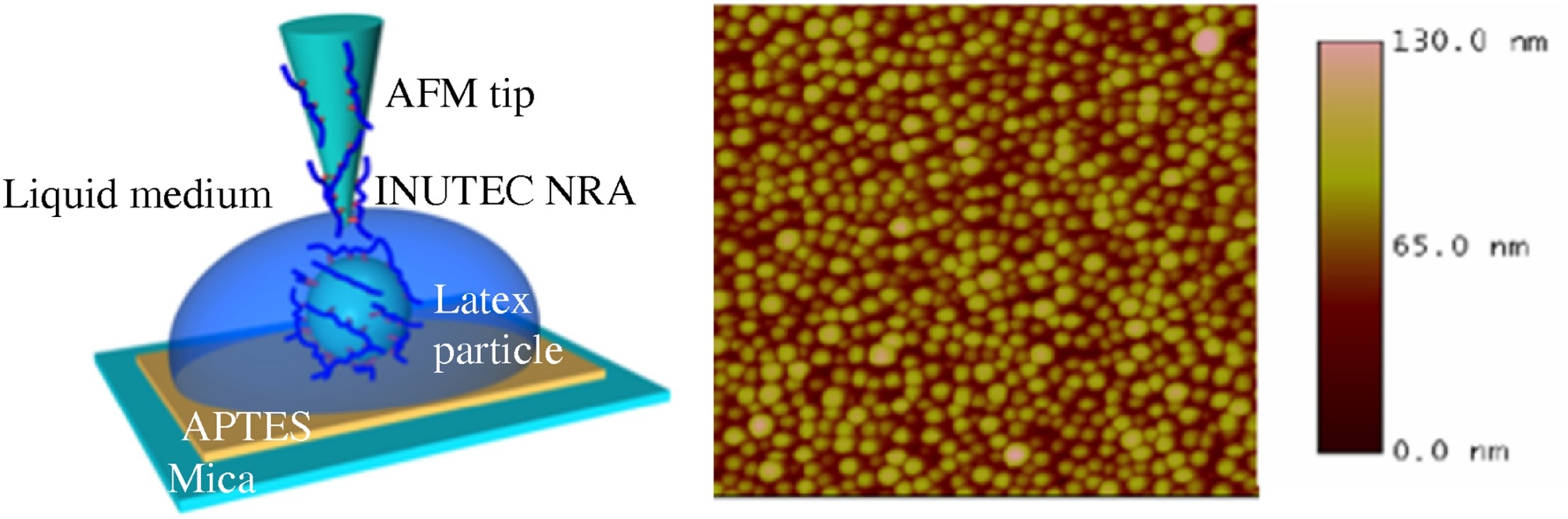
In a study published in the journal Colloids and Surfaces A: Physicochemical and Engineering Aspects, by Jordi Esquena, Coordinator of Unit 12 of NANBIOSIS, among others, it has been shown that the latex particles dispersed with graft-type polymeric surfactants have excellent colloidal stability, which is attributed to the repulsion forces between the particles, which arise from the presence of adsorbed surfactant molecules. These forces of repulsion have been studied by means of Atomic Force Microscopy (AFM), between an AFM tip and a latex particle, with the presence of surfactant adsorbed on both. It has been observed that this repulsion is maintained even at high concentrations of electrolyte, which has been attributed to the high hydration of the surfactant.

The results have allowed to explain the stabilization mechanism, being of great importance in systems where the control of the colloidal stability is a fundamental requirement.


Article of reference

Read More

Methods for the In Vitro Characterization of Nanomedicines —Biological Component Interaction

An interesting article has been recently published, in the journal Personalized Medicine In the context of a public-private collaboration between Cristina Fornagera of Sagetis-Biotech and Conxita Solans, Scientific Director of Unit 12 of NANBIOSIS

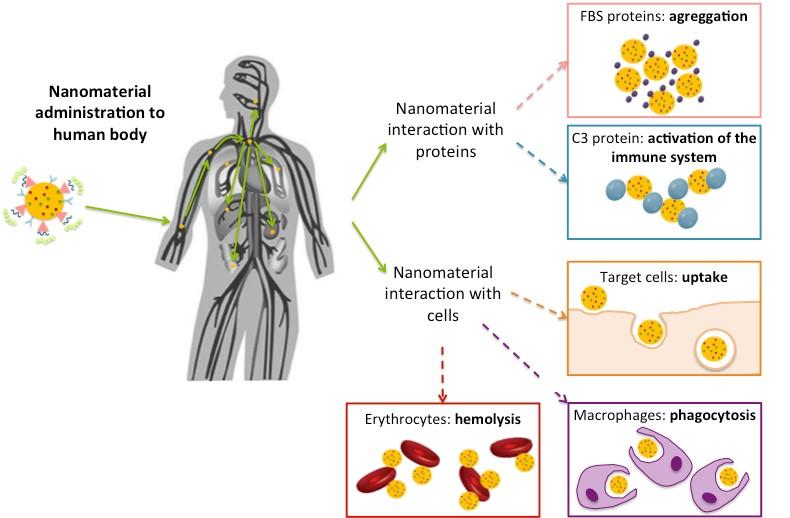
This review summarizes the main techniques used to assess the interaction of nanomedicines with biological systems, highlighting their advantages and disadvantages. The translation of knowledge from novel designed nanosystems at a research laboratory scale to real human therapies is usually a limiting or even a final point due to the lack of systematic studies regarding two aspects: nanoparticle interaction with biological components and nanoparticle cytotoxicity.

For further information:

Cristina Fornaguera and Conxita Solans “Methods for the In Vitro Characterization of Nanomedicines—Biological Component Interaction” J. Pers. Med., 7(1), 2, 2017

Read More

A new versatile methodology to produce polymeric nanoparticles loaded with gold nanoparticles

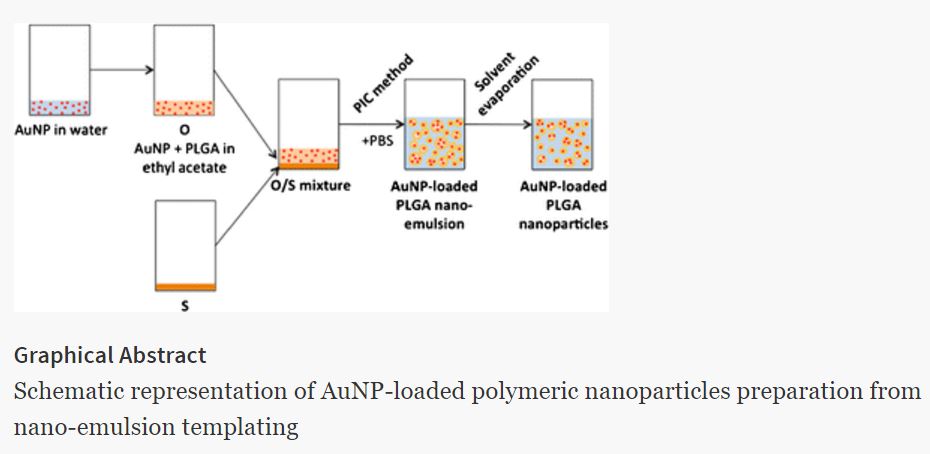
Conxita Solans, Scientific Director of Unit 12 of NANBIOSIS together with researchers of her group, Colloidal and Interfacial Chemistry of CIBER-BBN and IQAC-CSIC and the Department of Pharmacy and Pharmaceutical Technology, University of BarcelonaIn have published the research paper “Versatile Methodology to Encapsulate Gold Nanoparticles in PLGA Nanoparticles Obtained by Nano-Emulsion Templating” in the journal Pharmaceutical Research. The scientists have shown that a novel and very versatile methodology has been developed for the production of polymeric nanoparticles loaded with gold nanoparticles.

In this work, gold-nanoparticles (AuNP) have been encapsulated in polymeric nanoparticles using a novel and versatile methodology based on nano-emulsion templating, which has allowed to encapsulate high concentrations of gold nanoparticles (> 100 pM).  Polymeric nanoparticles loaded with AuNP with sizes lower than 100 nm have been obtained using this methodology. In addition, a safe and easy methodology for the phase transfer of gold nanoparticles from aqueous to organic solvents has been developed. The biocompatibility of the designed nanoparticles with both cultured cells and erythrocytes has confirmed their suitability to be intravenously administered Therefore, these nanoparticles represent novel advanced imaging systems for biomedical applications.

Read More

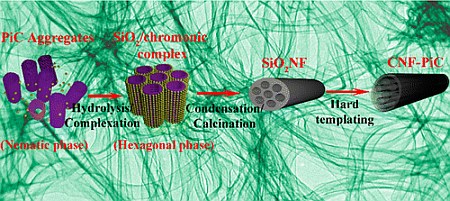
From Chromonic Self-Assembly to Hollow Carbon Nanofibers: Efficient Materials in Supercapacitor and Vapor-Sensing Applications

Conxita Solans, Scientific Director of the Unit 12 NANBIOSIS is co-author of the research article recently published a research article in the journal Applied Materials & Interfaces.

Carbon nanofibers (CNFs) with high surface area (820 m2/g) have been successfully prepared by a nanocasting approach using silica nanofibers obtained from chromonic liquid crystals as a template. CNFs with randomly oriented graphitic layers show outstanding electrochemical supercapacitance performance, exhibiting a specific capacitance of 327 F/g at a scan rate of 5 mV/s with a long life-cycling capability. Approximately 95% capacitance retention is observed after 1000 charge–discharge cycles. Furthermore, about 80% of capacitance is retained at higher scan rates (up to 500 mV/s) and current densities (from 1 to 10 A/g). The high capacitance of CNFs comes from their porous structure, high pore volume, and electrolyte-accessible high surface area. CNFs with ordered graphitic layers were also obtained upon heat treatment at high temperatures (>1500 °C). Although it is expected that these graphitic CNFs have increased electrical conductivity, in the present case, they exhibited lower capacitance values due to a loss in surface area during thermal treatment. High-surface-area CNFs can be used in sensing applications; in particular, they showed selective differential adsorption of volatile organic compounds such as pyridine and toluene. This behavior is attributed to the free diffusion of these volatile aromatic molecules into the pores of CNFs accompanied by interactions with sp2 carbon structures and other chemical groups on the surface of the fibers.

Article of reference: ACS Appl. Mater. Interfaces, 8 (45), 31231–31238, 2016

From Chromonic Self-Assembly to Hollow Carbon Nanofibers: Efficient Materials in Supercapacitor and Vapor-Sensing Applications
Read More

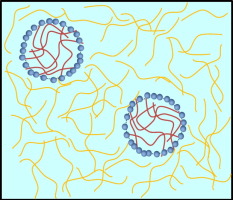
Water-in-water (W/W) emulsions

Jordi Esquena, Scientific Coordinator of Unit 12 of NANBIOSIS, has recently published an interesting review in the journal Current Opinion in Colloid & Interface Science, about W/W emulsions. Dr. Esquena describes the general background of research in the field and focuses on recent scientific advances and applications.

Water-in-water (W/W) emulsions are colloidal dispersions of an aqueous solution into another aqueous phase. Such dispersions can be formed in mixtures of at least two hydrophilic macromolecules, which are thermodynamically incompatible in solution, generating two immiscible aqueous phases. Highly stable water-in-water emulsions can be formulated using fully biocompatible and edible components, and consequently, these emulsions can be used in food and pharmaceutical formulations, among many other interesting applications.

More information

Water-in-water (W/W) emulsions
Read More

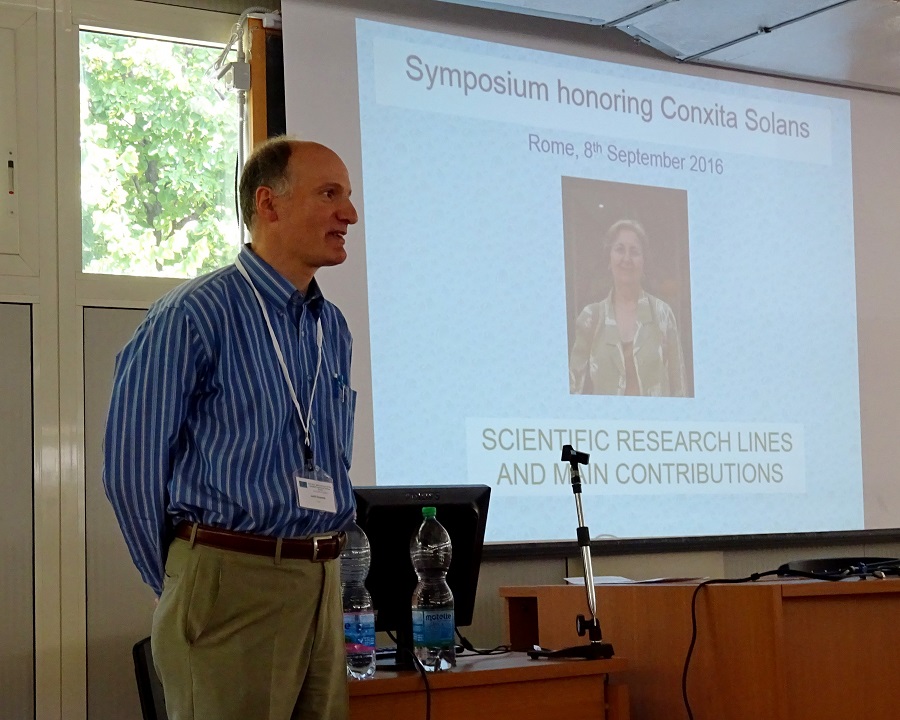
Symposium honouring Professor Conxita Solans. (ECIS Rome 2016)

In the frame of ECIS 2016, the 30th Conference of the European Colloid and Interface Society (ECIS), Rome 4-9 September, 2016, a special Symposium honouring Conxita Solans was organized on  September 8th – 2.00-5.00 pm. Conxita Solans, Scientific Director of Unit 12 of NANBIOSIS, has during many years been one of the leading scientists in the field of surfactants and dispersions. She has been  very active in ECIS, presenting her research results at several conferences,  being President and also organizing one ECIS meeting in Barcelona.

Nanbiosis-U12-Symposium honouring Professor Conxita Solans. Conference of the European Colloid and Interface Society (ECIS), Rome 2016
Read More

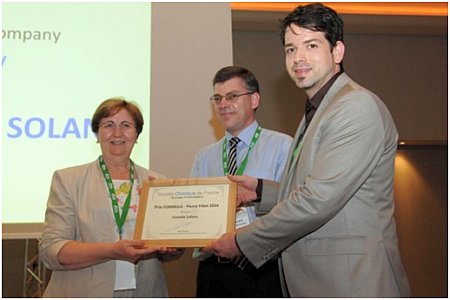
DR. CONXITA SOLANS received the “Pierre Fillet” Prize 2016 awarded by the Formulation Group of the French Chemical Society (SCF)

Conxita Solans, Scientific Director of the Unit 12 NANBIOSIS, received last July 4 in the opening ceremony of the congress Formula VIII, the award Pierre Fillet 2016, given by the Formulation Group of the French Chemical Society (SCF).

The prize was awarded to Dr Solans in recognition to her contributions on formulation of colloidal systems, namely on the design and characterization of Nanostructured Liquids such as nano-emulsions, microemulsions, micelles, etc, developed through Unit 12 of NANBIOSIS.

Pierre Fillet was a major force behind formulation in France particularly and across Europe, he was one of the instigators of the first Formula conference held in Nice in 1987. The prize is awarded to a well-recognized researcher whose work led to significant developments of any topic in formulation.


DR. CONXITA SOLANS received the “Pierre Fillet” Prize 2016 awarded by the Formulation Group of the French Chemical Society (SCF)
Read More