+34 620 10 75 37info@nanbiosis.com

Services

Services

U30-S03. Protein identification by mass spectrometry (MS) or MS/MS

Protein identification by mass spectrometry (MS) or MS/MS

Description: Identification of proteins in biological samples, either by intact protein analysis (MALDI-TOF) or protein digestion followed by peptide mass fingerprinting (PMF, MS) or peptide fragmentation (MS/MS).

Applications: Protein analysis, characterization of biological samples, analysis of protein interactions (e.g. pull-down assays).
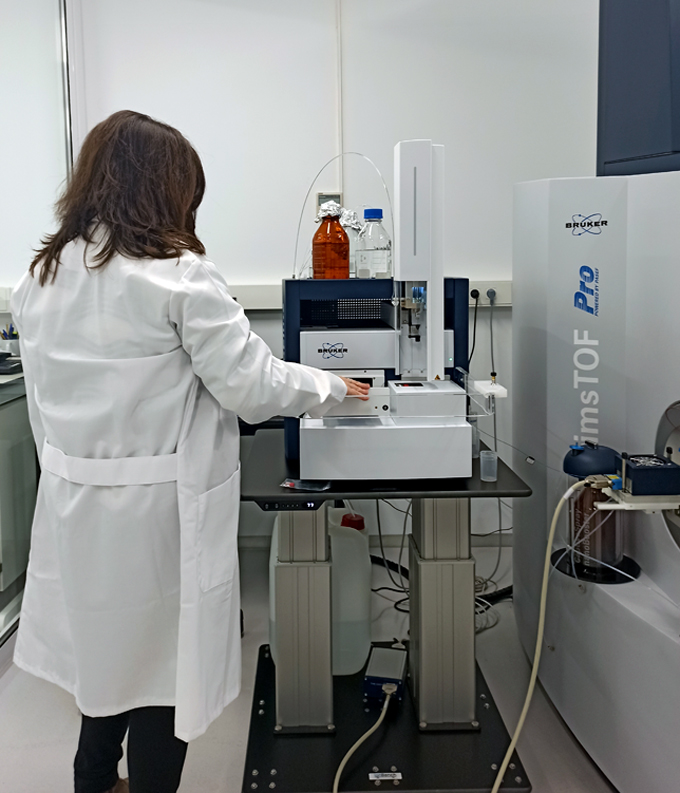
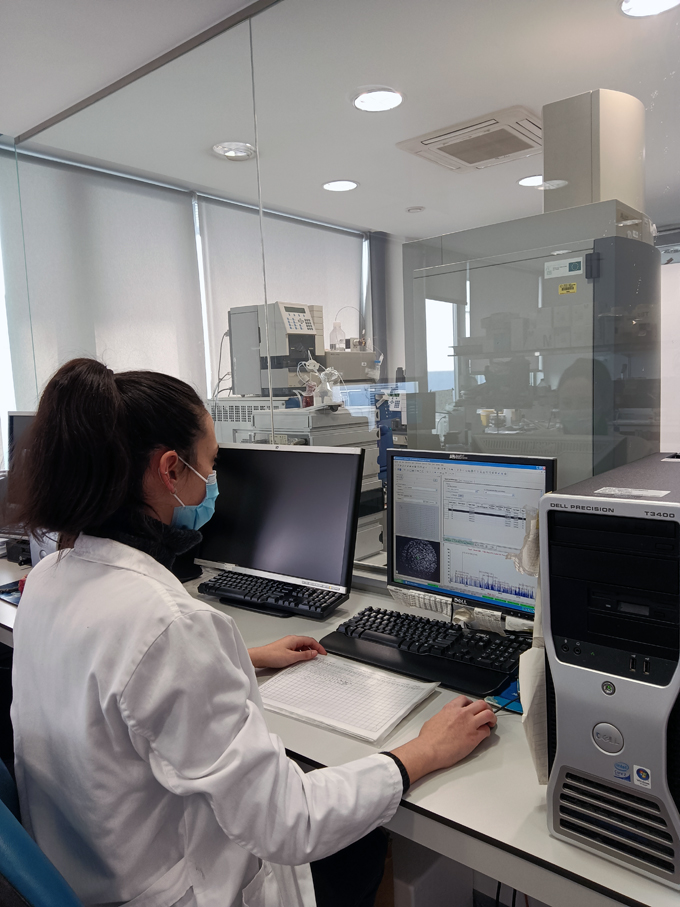
U30 S03 Protein identification by mass spectrometry (MS) or MS/MS
Read More

U30-S02. Determination of molecular mass of peptides, proteins and other biomolecules

Determination of molecular mass of peptides, proteins and other biomolecules.

Description: Analysis of intact proteins, peptides and other biomolecules such as oligonucleotides using mass spectrometry (MALDI-TOF or ESI-Q-TOF) for the determination of their exact molecular mass.

Applications: Characterization of biomolecules.

U30 S02 Determination of molecular mass of peptides, proteins and other biomolecules
Read More

U30-S01. Sample preparation for proteomic analysis

Sample preparation for proteomic analysis

Description: This service includes all necessary steps to prepare samples for different proteomic analyses: protein extraction from tissues, cells or fluids, precipitation, cleaning, desalting, quantification and digestion (in gel or in solution) with proteolytic enzimes (trypsin, chymotrypsin, lys-C…), to obtain the correspondent peptides.

Applications: All experiments involving proteins.

U30 S01 Sample preparation for proteomic analysis
Read More

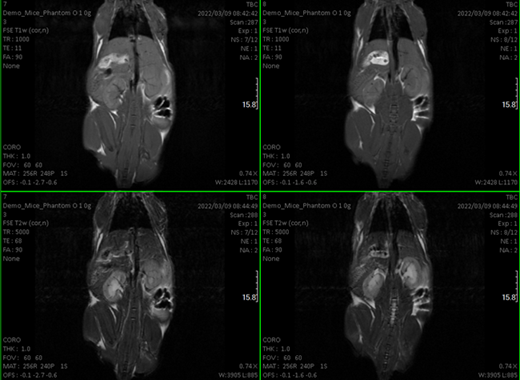
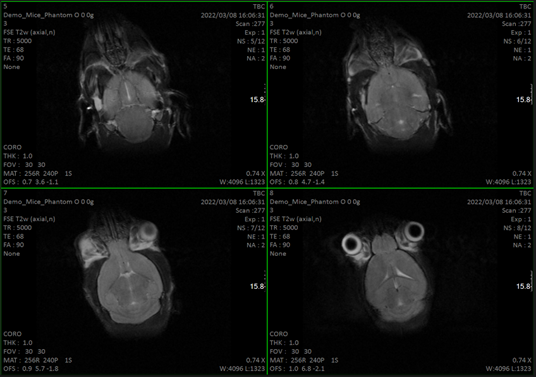
U26-S06. Biomedical and metabolomic imaging (On-site)


Description:

The service includes the housing of mice or rats to be able to carry out longitudinal studies, the administration, if applicable, of contrast agents, or radiopharmaceuticals for PET. Acquisition of both T1-weighted and T2-weighted images, as well as colocalized with the PET image. Volume measurement.

Applications

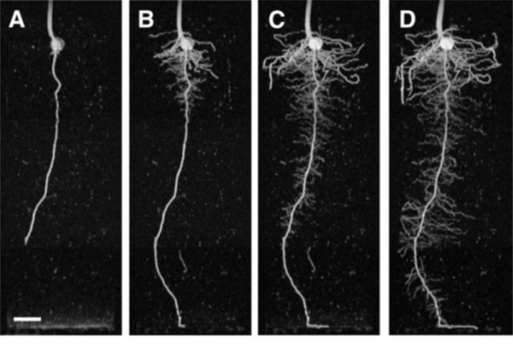
In addition to the typical studies in 3T preclinical imaging equipment, the possibility of varying the angle of the bed with respect to the horizontal makes it especially interesting for vascular and plant studies.

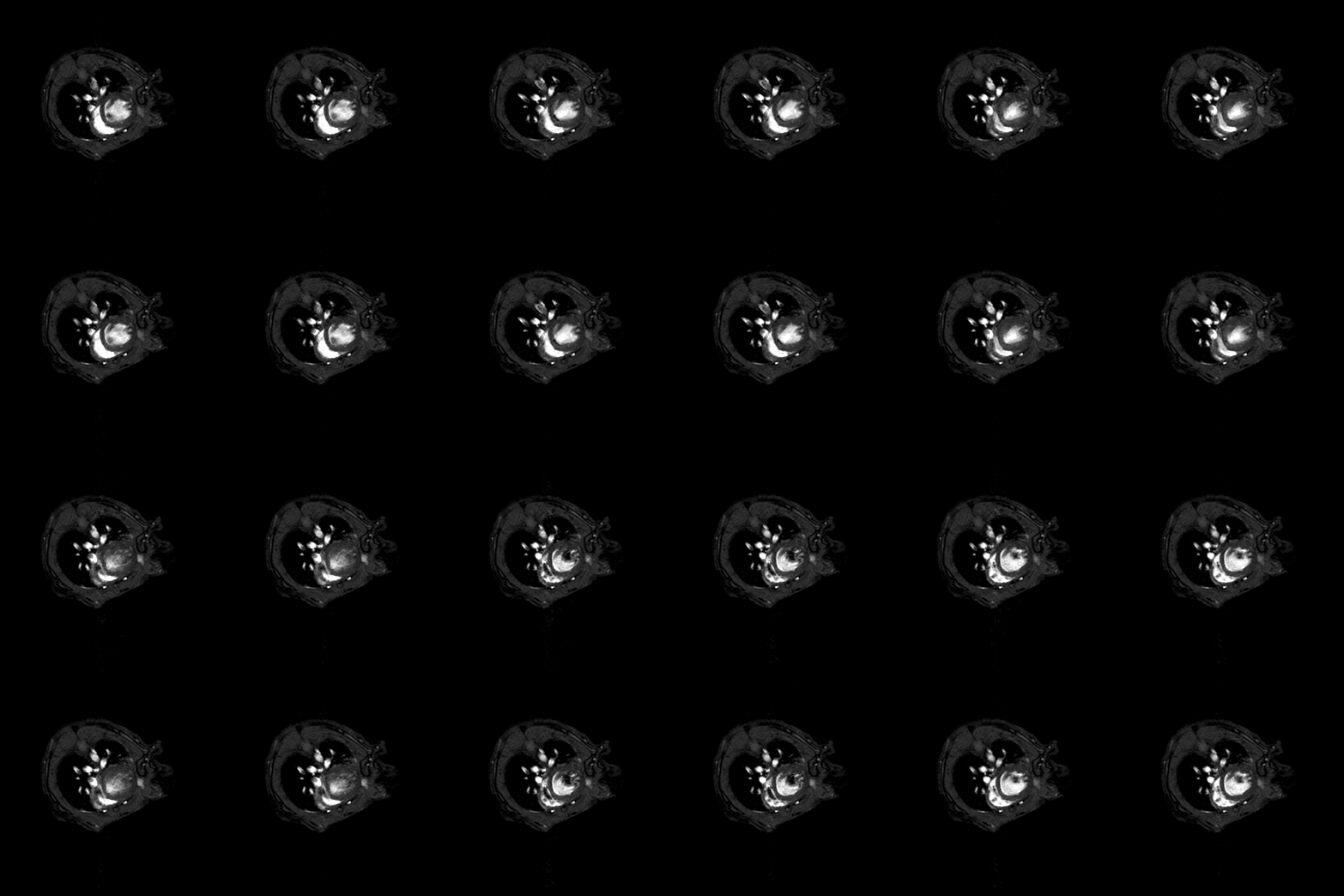
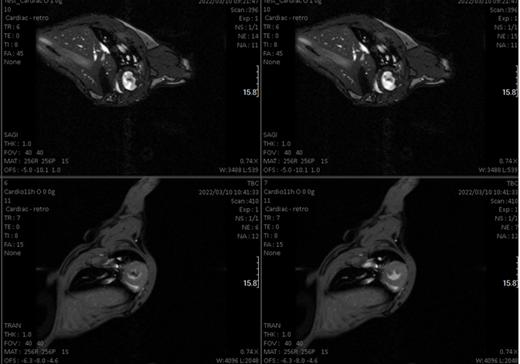
  • Qualitative and quantitative studies (relaxation times T1 and T2 and even making maps) at the brain level and other organs.Cardiological sequences: diffusion, determination of blood volume…
  • Anatomical and functional studies of different organs (for example: renal, abdominal, liver…).
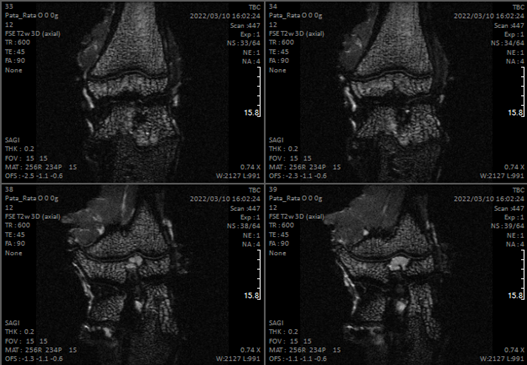
  • Bone-level imaging, distinguish between bone material from soft tissue.
  • Fat suppression techniques.
  • Oncological studies to detect and locate tumors and volume calculation.
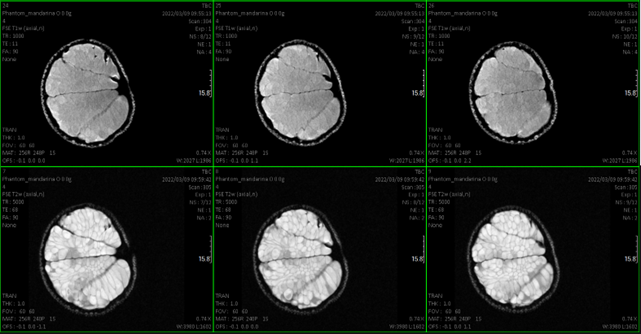
  • Carry out studies on fruits and vegetables (grapes, kiwi, tomato, seeds…).
  • Perform studies with/without contrast (Gadolinium) and see the differences between the 2 images.
  • Thanks to the possibility of rotating the equipment in a vertical position, images of plants can be obtained (because by their nature, they have to be in a vertical orientation, such as a stem). Ex-vivo studies can also be carried out vertically and in this way we maintain the integrity of the organ (eg heart).
Read More

U8-S05 Deposition of thin films (Polyimide, Parylene) for the fabrication of flexible devices or encapsulation purposes (On-site&Remote) OUTSTANDING.

Read More

U8-S06. Encapsulation or fabrication of 3D strcutures via 3D printing.

Read More

U20-S015. Cytotoxicity: proliferation, LDH, apoptosis and ROS

Read More

U20-S014. Hemocompatibility: hemolysis, platelet aggregation, plasma coagulation times and complement activation

Read More

U20-S013. Detection of microbial (bacterial and mycoplasma) contaminationpre

Read More

U29-S02. Modification of oligonucleotides. (Remote) OUTSTANDING

Modification of oligonucleotides during and post synthesis to meet user requirements:

  • Conjugation of oligonucleotides with fluorophores (fluoresceine, Cy3, Ct5, etc..) and other types of small molecules such as biotine, lipids.
  • Conjugation to peptides.
  • Phosphorothioate linkages
  • Modified backbones such as locked nucleic acids (LNA), 2’-O-alkyl-RNA, etc..
  • Modified nucleobases: 2-aminopurine, 5-methyl-dC, etc…
  • 5’, 3’-modifications such as 5’-, 3’-amino, 5’-, 3’-thiol, etc..

Read More