+34 620 10 75 37info@nanbiosis.com

U18. Nanotoxicology Unit

U18. Nanotoxicology Unit

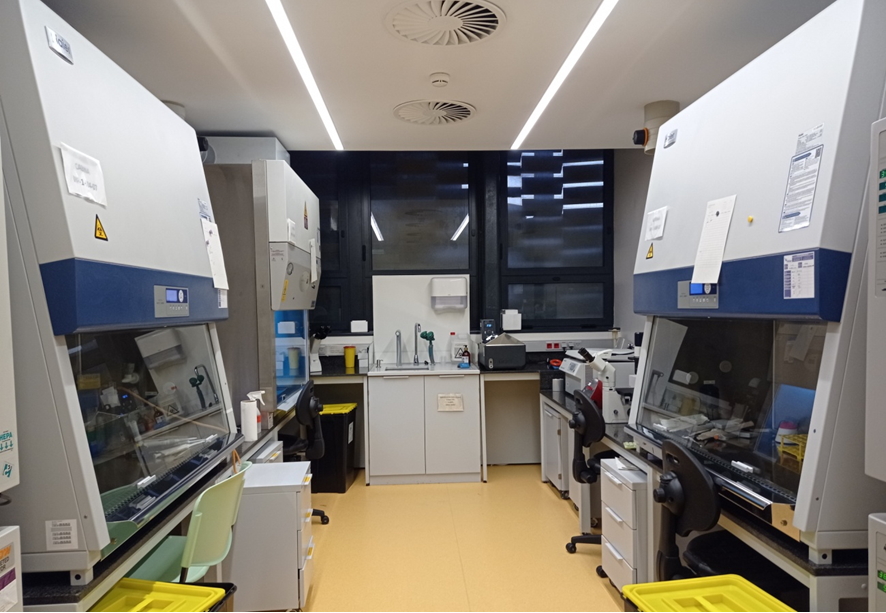
U18-E03. Dissection hoods

Dissection hoods.

Read More

U18-E02. Autoclaves, refrigerators, freezers and liquid nitrogen tanks

Autoclaves for sterilization of buffers, media or material (tips, tubes, eppendorfs,…). Refrigerators, freezers (-20ºC and -80ºC) and liquid nitrogen tanks for the preservation of reagents, samples and cells.
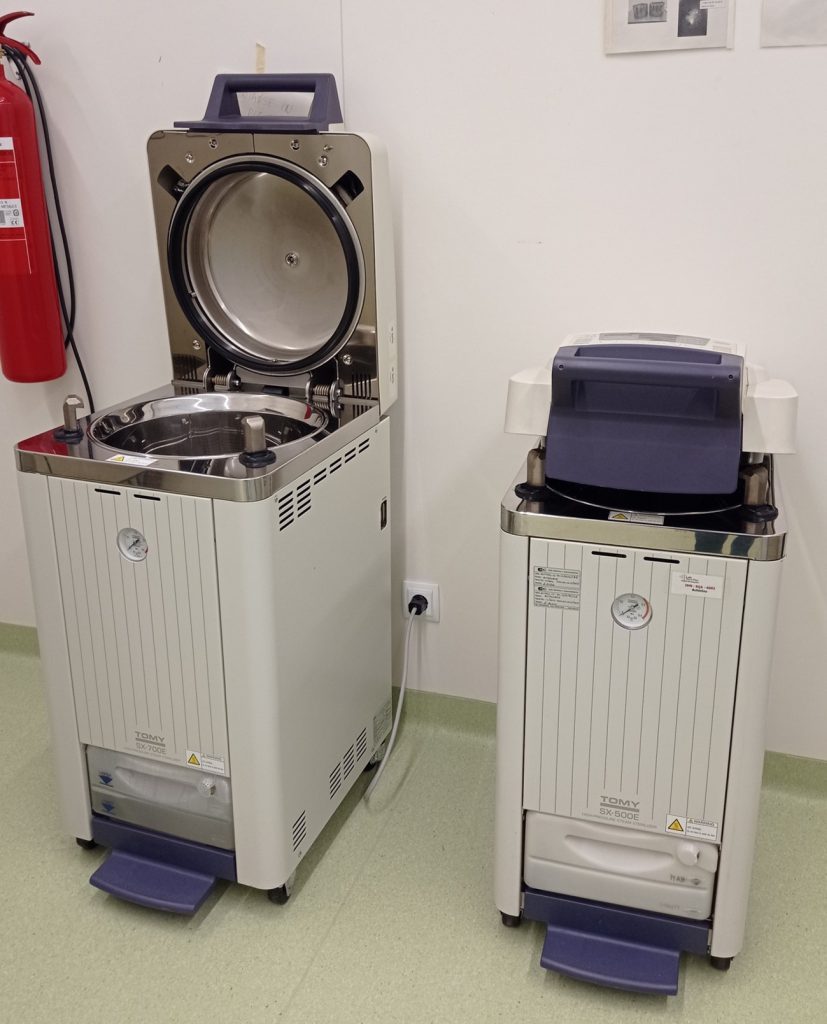
Autoclaves
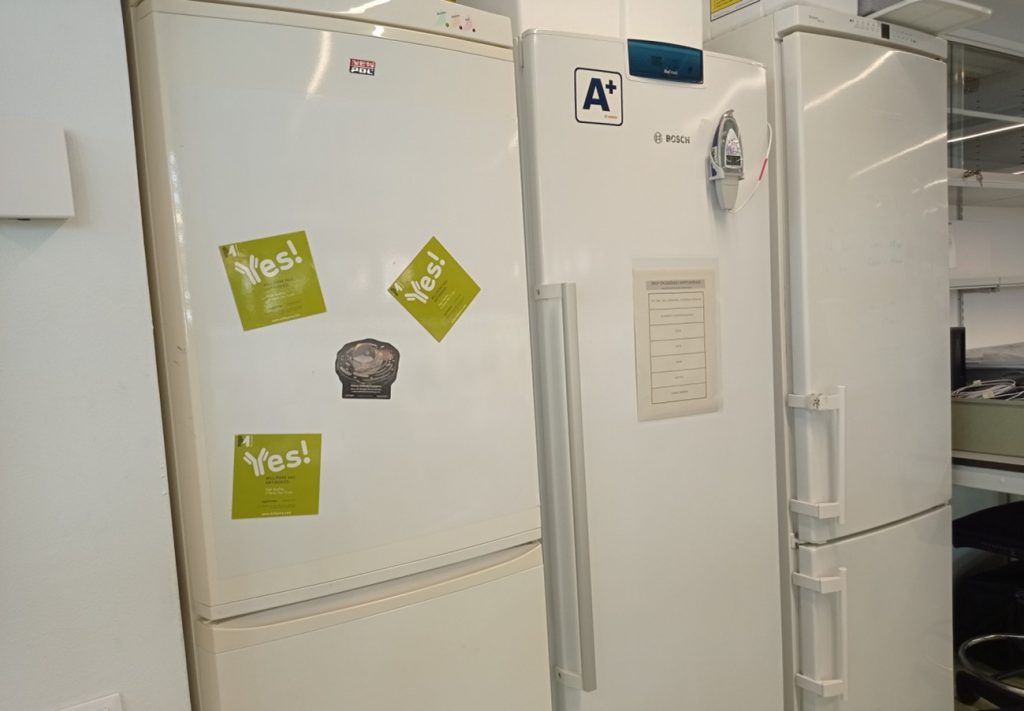
Refrigerators and -20ºC freezers
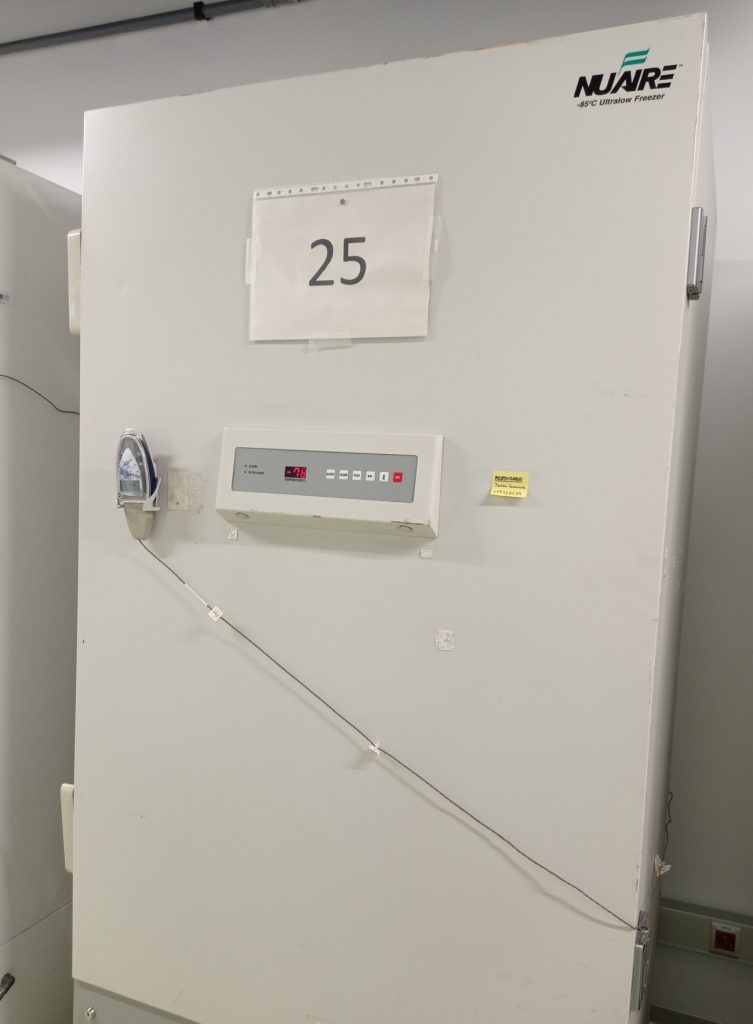
 Freezers (-80ºC)
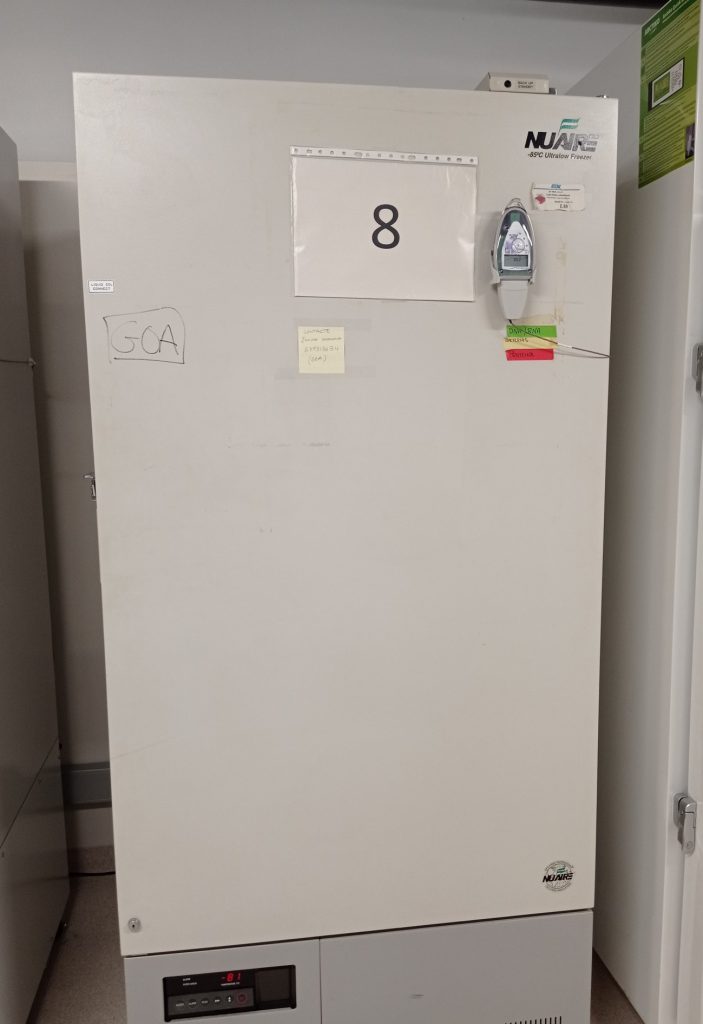
Freezers (-80ºC)
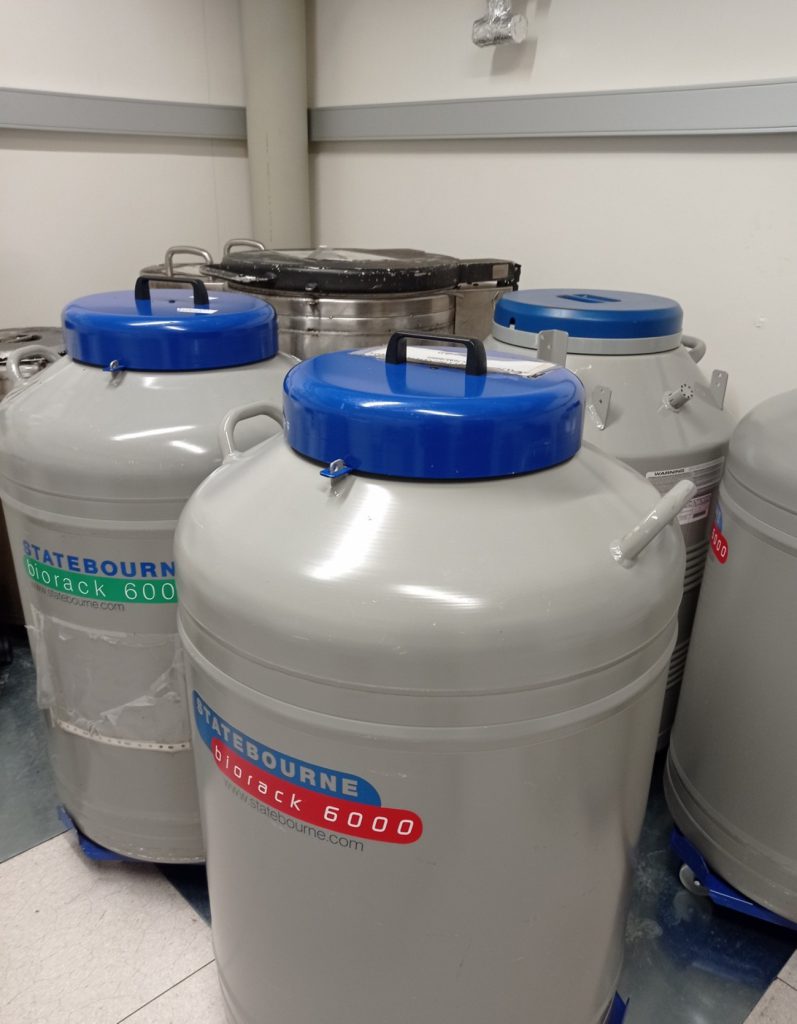
Nitrogen liquid tanks

Read More

U18-E01. Cell culture rooms

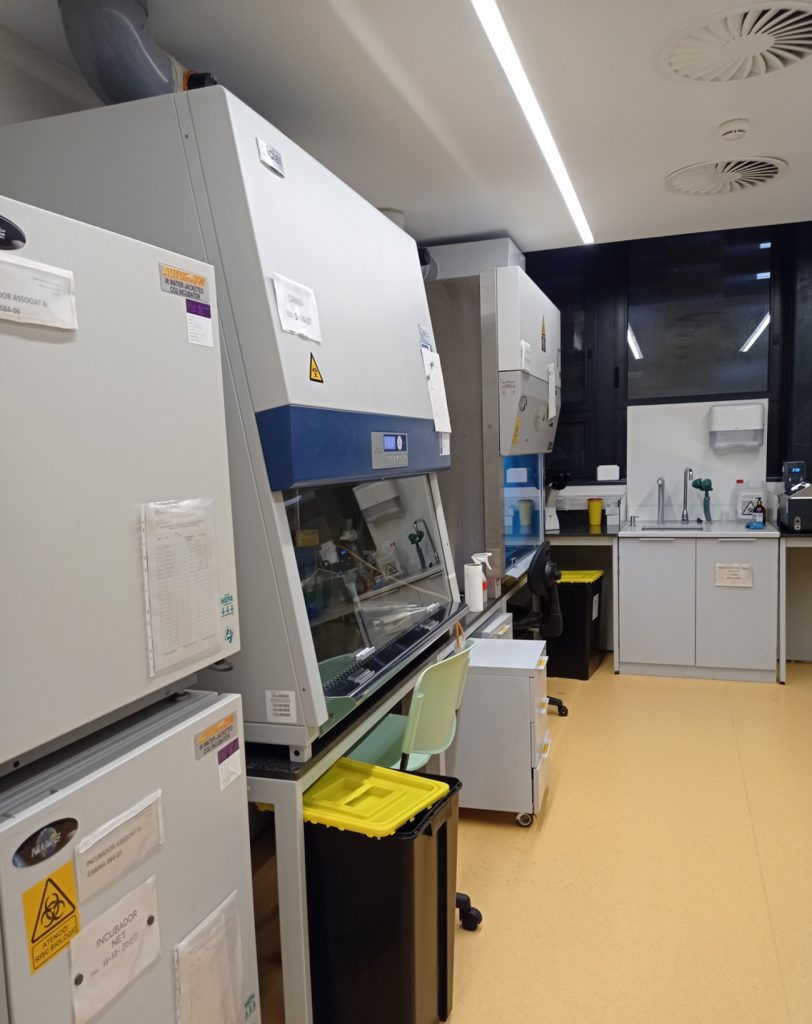
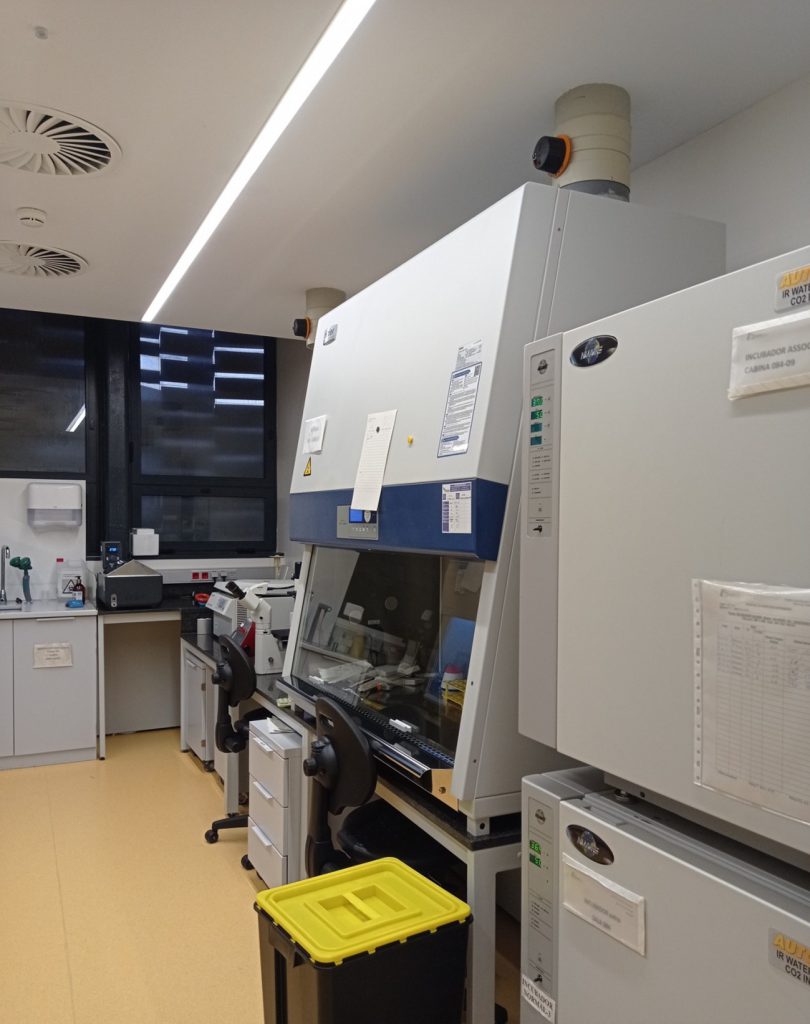
Four cell culture rooms fully with equipped with cell culture hoods, CO2 incubators, automatic cell counters, refrigerators, freezers, baths, centrifuges, inverted fluorescence and phase contrast microscopes.
Read More

U18-S01. In vitro Nanotoxicology (Remote) OUTSTANDING

Assays of cell viability/toxicity by XTT, release of LDH and similar indicators.

  • Study of toxicity in normal human cells immortalized by viral infection or tTERT, by means of metabolic XTT test,
  • Production of reactive oxygen species (ROS ) by fluorimetry.

Internalization assays

  • Study of the mechanism of toxic action
  • Analysis of hemocompatibility in blood
Read More

U18-S02. In vivo Nanotoxicology, preclinical histopathology in animal models (Remote) OUTSTANDING

Sample preparation, inclusion, section and staining for preclinical histology (paraffin and frozen samples) as well as anatomopathological evaluation.

Complete necropsy:

  • Hematology
  • ADME/Tox of nanoparticles
  • Study of distribution of markers of interest by immunohistochemistry.
  • Study of the mechanism of toxic action (apoptosis, caspase-independent death, autophagia, necrosis).
  • Preclinical toxicity assays in animal models.

Product characterization studies, solubility and other properties studies; Inmunoassay techniques; Molecular biology techniques; Cell culture techniques; Flow cytometry; Safety studies: Nervous, cardiovascular and respiratory systems; Toxicology studies; PK/PD studies, Security testing of advanced therapies using small and large animals models.

Read More

U18-S03.  In vivo TOXICOLOGY (Onsite&Remote) OUTSTANDING

Complete necropsy:

  • Hematology
  • ADME/Tox of nanoparticles
  • Study of distribution of markers of interest by immunohistochemistry.
  • Study of the mechanism of toxic action (apoptosis, caspase-independent death, autophagia, necrosis).
  • Preclinical toxicity assays in animal models
Read More